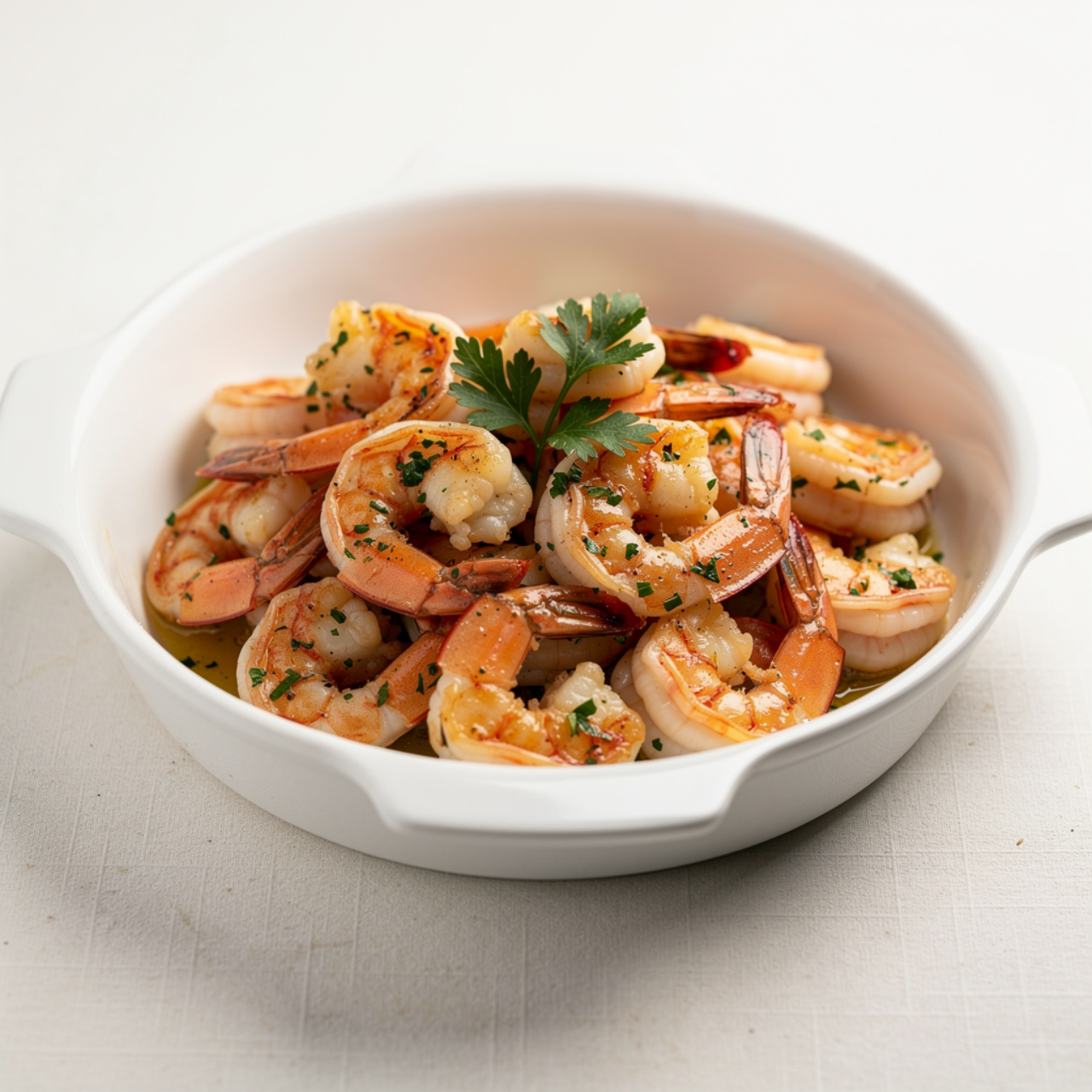
Shrimp Scampi Without Lime (Classic Buttery Garlic Shrimp)
This classic shrimp scampi without lime is rich, garlicky, and bursting with buttery white wine flavor. Ready in under 30 minutes on the stovetop, it works beautifully over pasta or straight from the skillet.
The Best Shrimp Scampi Without Lime (And Why You Do Not Need It)
If you have ever searched for shrimp scampi and landed on a recipe calling for lime juice, you are not alone in feeling a little skeptical. Traditional shrimp scampi is an Italian-American classic built on butter, garlic, white wine, and lemon, and that is exactly what this recipe delivers. No lime. No shortcuts. Just a silky, garlicky pan sauce that clings to every single shrimp.
This is the kind of weeknight dinner that feels restaurant-worthy but comes together in about 25 minutes on your stovetop. Whether you are working with raw shrimp or pre-cooked shrimp from the freezer, this simple shrimp scampi recipe adapts beautifully. Serve it over pasta for the classic best shrimp scampi recipe pasta experience, or go low-carb and eat it straight from the skillet with crusty bread for dipping.
Why This Skillet Shrimp Scampi Works Every Time
The secret to a truly great shrimp scampi is building layers of flavor in one pan. Here is what makes this version stand out:
- Dry white wine creates a bright, slightly acidic backbone that balances the richness of the butter.
- Lemon zest and juice (not lime) deliver citrus flavor that is sharp and floral rather than tropical.
- A generous amount of garlic is non-negotiable. Six cloves is the floor here, not the ceiling.
- Two-stage butter technique adds butter at the beginning for searing and again at the end for emulsifying a glossy sauce.
This stovetop shrimp scampi method is faster and more flavorful than any shrimp scampi recipe oven approach because the fond that develops in the pan becomes the foundation of your sauce.
Chef's Tip: Pat your shrimp completely dry before they hit the pan. Moisture is the enemy of a good sear. Dry shrimp get golden edges; wet shrimp just steam.
Raw Shrimp vs. Pre-Cooked Shrimp: Which Should You Use?
Both work, and this is one of the best things about this as an easy shrimp recipe. Here is a quick breakdown:
Raw shrimp give you the best texture and the most control. They absorb the flavor of the butter and garlic as they cook, resulting in a more cohesive dish.
Pre-cooked shrimp are a legitimate weeknight hero. Because they are already cooked, you simply warm them in the finished sauce for about 60 seconds. This makes the whole dish even faster and is a great option when you are pulling dinner together from pantry staples.
Regardless of which you use, the goal is the same: do not overcook them. Overcooked shrimp are the number one mistake in any simple shrimp scampi recipe, and the fix is easy. The moment they curl into a loose C shape and turn opaque, they are done.
The Right Tools Make a Real Difference Here
For this skillet shrimp scampi, a wide, heavy-bottomed pan and a good microplane zester are genuinely worth having. A 12-inch stainless or cast-iron skillet gives the shrimp enough room to sear rather than steam, and a zester pulls fine lemon zest that dissolves right into the sauce.
Serving Ideas for Shrimp Scampi No Pasta
While the classic move is to toss this over a bowl of linguine or spaghetti, this dish is incredibly versatile:
- Over pasta: Linguine, spaghetti, or angel hair are all traditional picks for the best shrimp scampi recipe pasta lovers know and love.
- With crusty bread: Perfect for soaking up every drop of that buttery garlic sauce.
- Over rice or cauliflower rice: A great option for a lighter, gluten-free plate.
- On its own as an appetizer: Smaller portions served with toothpicks make this an elegant starter.
- Over zucchini noodles: Keeps it light while still feeling indulgent.
Make it a full meal: Start your water boiling for pasta before you even prep the shrimp. By the time the pasta is cooked and drained, the sauce will be ready and waiting.
Tips for the Simplest Shrimp Scampi Recipe
A few last things worth knowing before you get started:
On the wine: Use a dry white wine you would actually drink. Pinot Grigio and Sauvignon Blanc are ideal. Avoid anything labeled "cooking wine," which is loaded with sodium and will throw off the balance of the sauce. If you prefer to skip alcohol entirely, an equal amount of low-sodium chicken broth with a small extra squeeze of lemon is a perfectly respectable swap.
On the garlic: Minced fresh garlic will always outperform garlic powder here. The goal is to cook it just long enough to mellow the raw bite without letting it brown, which turns bitter.
On the heat: Keep the heat at medium when you add the garlic. Medium-high is for the shrimp sear and the wine reduction. Low heat is for finishing the butter into the sauce. Respecting these transitions is what separates a silky sauce from a broken, greasy one.
Ready to bring this classic together? Here is everything you need in one place:
Shrimp Scampi Without Lime (Classic Buttery Garlic Shrimp)
This classic shrimp scampi without lime is rich, garlicky, and bursting with buttery white wine flavor. Ready in under 30 minutes on the stovetop, it works beautifully over pasta or straight from the skillet.
Ingredients
- 1 1/2 lb large shrimp, peeled and deveined, raw or pre-cooked
- 4 tbsp unsalted butter, divided
- 2 tbsp olive oil, extra virgin
- 6 garlic cloves, minced
- 1/2 cup dry white wine, such as Pinot Grigio or Sauvignon Blanc
- 1/4 cup chicken broth, low sodium
- 1 lemon, juiced and zested
- 1/2 tsp crushed red pepper flakes, adjust to taste
- 3/4 tsp kosher salt, or to taste
- 1/4 tsp black pepper, freshly ground
- 3 tbsp fresh flat-leaf parsley, chopped, for garnish
- 1/4 cup grated Parmesan, optional, for serving
Instruction
If using raw shrimp, pat them completely dry with paper towels and season lightly with salt and pepper. If using pre-cooked shrimp, thaw and drain them fully before starting.
Heat a large skillet over medium-high heat. Add 1 tablespoon of the butter and all of the olive oil. Once the butter is melted and foamy, add the shrimp in a single layer.
Cook raw shrimp for 1 to 2 minutes per side until just pink and opaque, then transfer to a plate. If using pre-cooked shrimp, add them for just 60 seconds to warm through, then transfer to a plate.
Reduce the heat to medium. Add another tablespoon of butter to the same skillet. Add the minced garlic and crushed red pepper flakes and cook, stirring constantly, for about 1 minute until fragrant but not browned.
Pour in the white wine and chicken broth. Increase the heat to medium-high and let the sauce simmer for 3 to 4 minutes, scraping up any browned bits from the pan, until the liquid reduces by about half.
Reduce the heat to low. Add the lemon juice, lemon zest, and the remaining 2 tablespoons of butter. Swirl the pan or stir gently until the butter melts into a glossy, cohesive sauce.
Return the shrimp to the skillet and toss well to coat in the sauce. Taste and adjust salt and pepper as needed.
Garnish with chopped fresh parsley and a sprinkle of Parmesan if desired. Serve immediately over pasta, with crusty bread, or on its own.
Equipment
- Large skillet or saute pan (12-inch recommended)
- Tongs
- Microplane or zester
- Garlic press or chef's knife
- Cutting board
Notes
Storing and Reheating Leftovers
Shrimp scampi is best eaten fresh, but leftovers store well in an airtight container in the refrigerator for up to 2 days. When reheating, use a skillet over low heat and add a small splash of chicken broth or water to loosen the sauce. Avoid the microwave whenever possible as it tends to make shrimp rubbery and unpleasant.
If you made this as a pasta dish, try to store the shrimp and noodles separately. Pasta left in sauce overnight soaks up the liquid, which leaves you with a drier reheat. A small drizzle of olive oil and a fresh crack of black pepper when serving the next day goes a long way.